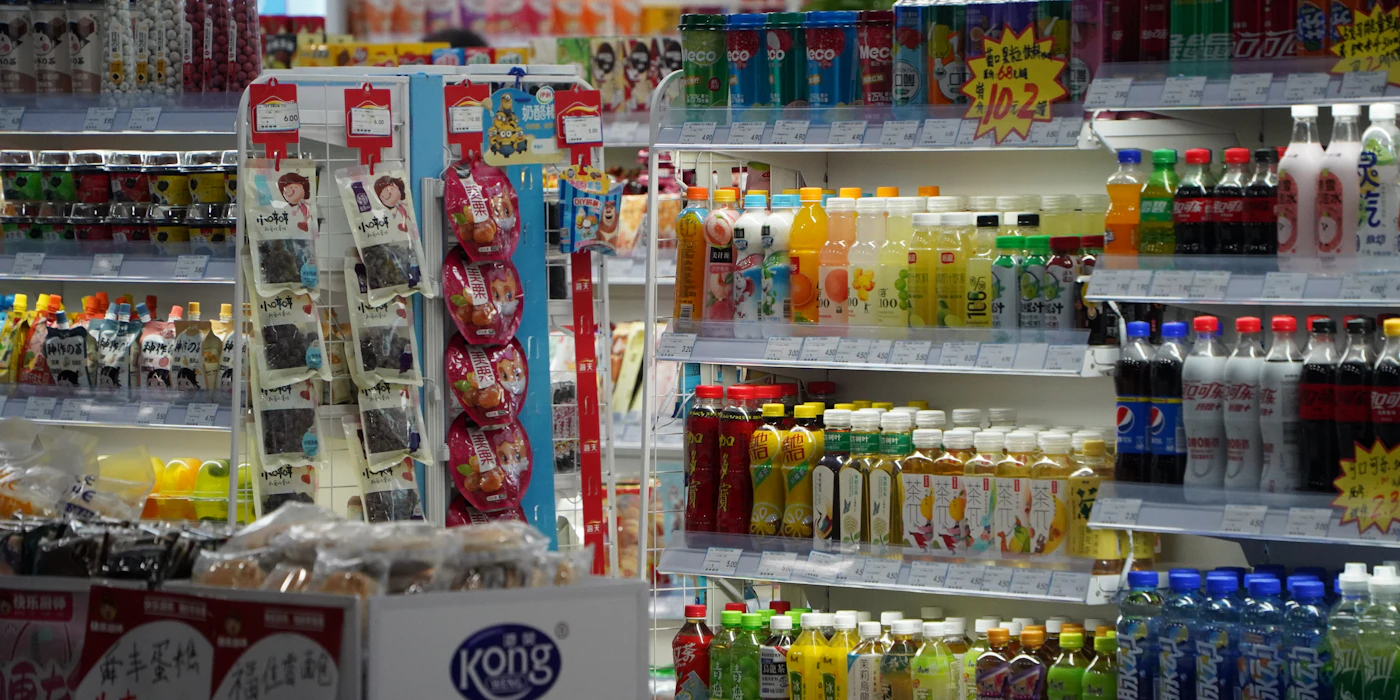
The Automated Convenience Store Concept
An automated convenience store is a curated cluster of vending machines deployed together in a single location to replicate the product variety of a traditional convenience store, without the overhead of staffing, lease space, or retail management. Instead of one machine offering 30 to 40 items, a multi-machine setup can offer 100 or more products spanning snacks, beverages, meals, personal care, and even electronics, all available 24 hours a day.
EJR Vending's automated convenience store program is purpose-built for North Texas properties that need more than a single machine can provide. We design and deploy multi-unit configurations for apartment lobbies, hotel common areas, hospital corridors, and large industrial breakrooms where foot traffic and demand justify a broader product selection.
How It Works
The concept is simple in principle but requires careful planning in execution. EJR Vending conducts an on-site assessment to determine the optimal number of machines, product categories, and physical layout for the available space. A typical automated convenience store configuration includes two to four machines arranged in an L-shape or linear formation.
A Standard DFW Configuration
A common three-machine setup might include a glass-front beverage cooler stocked with energy drinks, water, juice, and soft drinks alongside a combo snack machine carrying chips, candy, protein bars, jerky, and pastries, plus a specialty unit dedicated to fresh food, coffee, personal care items, or location-specific products. For apartment communities, that third machine might carry laundry supplies and phone chargers. For healthcare facilities, it might focus on wellness items and light meals.
Why DFW Properties Are Adopting This Model
The economics are compelling. A traditional convenience store requires commercial lease space, staff payroll, insurance, inventory management, and regulatory compliance. An automated convenience store through EJR Vending requires only floor space and a few electrical outlets. The property pays nothing for the machines, the products, or the ongoing management.
For apartment complexes in the DFW Metroplex, this model has become a genuine differentiator during lease-up periods. Prospective residents see 24/7 access to snacks, drinks, and essentials as a modern amenity that signals a well-managed property. For hospitals and hotels, it solves the persistent problem of visitors and staff needing food and supplies outside of cafeteria or gift shop hours.
The EJR Vending Difference
National vending operators sometimes deploy multi-machine setups, but they rarely invest the design thinking required to make them work as a cohesive retail experience. EJR Vending, founded in 2022 and based in Dallas, treats every automated convenience store as a custom project. We consider product adjacency so that complementary items are easy to find, sight lines so that machines are visible and inviting, payment flow with 100% cashless-ready equipment across every unit, and aesthetic consistency using modern glass-front machines with LED lighting.
We manage the entire operation, from restocking and rotating seasonal items to handling customer refunds via our local DFW support line. Our telemetry systems monitor every machine in the cluster independently, so we know exactly which unit needs attention and when.
Bodega W. 7th — The Only Automated Convenience Store Operating in DFW
While the automated convenience store concept is growing nationally, EJR Vending operates the only one in the Dallas-Fort Worth Metroplex. Bodega W. 7th, located at 2921 Morton St in Fort Worth's West 7th district, is a fully operational 15-machine automated retail environment that functions as the primary lobby of one of Fort Worth's most distinctive entertainment venues. No other vending operator in DFW — local, regional, or national — has built and is actively running an automated convenience store at this scale.
What Bodega Proves About the Model
Bodega is not a hallway with a few machines lined up against a wall. It is a designed retail environment where 15 machines work in coordination across snack, beverage, specialty, and essentials categories — available 24 hours a day without a cashier, a lease, or a retail staff. Every unit is cashless-ready, remotely monitored via telemetry, and serviced by EJR Vending's local Fort Worth team. Customers walk in at any hour, find what they need, and check out in seconds with a tap of a card.
The Bodega location is EJR Vending's proof of concept — and proof that this model works in DFW. For apartment communities, commercial properties, and venues across Tarrant County and Dallas County that want to offer something no competitor in their market has, Bodega is the blueprint. EJR Vending is the only operator in North Texas that has actually built one, and the only one positioned to build the next.
Is an Automated Convenience Store Right for Your Property?
This model works best for locations with 75 or more daily visitors or residents, properties that operate 24/7 or have significant after-hours foot traffic, spaces that lack a nearby convenience store or cafeteria, and property managers who want a premium amenity at zero cost.
If your DFW property fits that profile, contact EJR Vending and we will design a custom automated convenience store concept for your space at no charge.